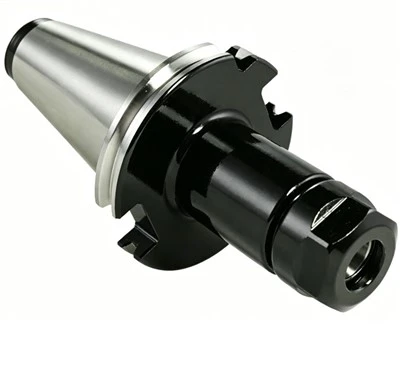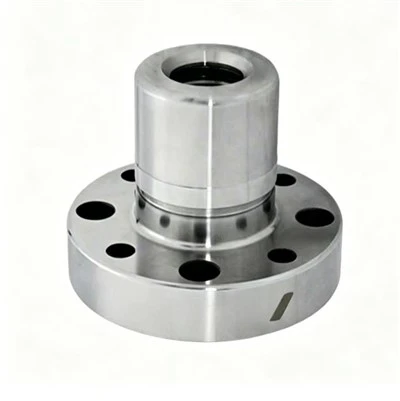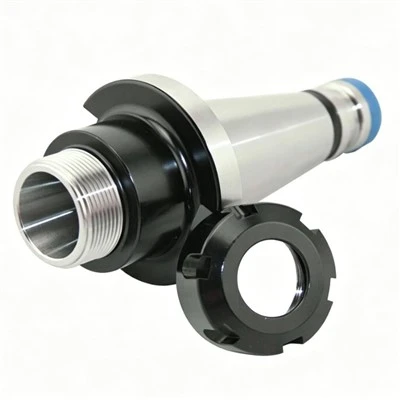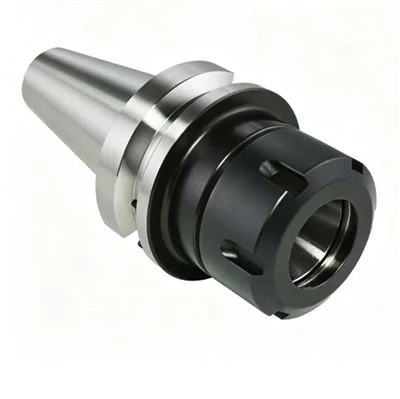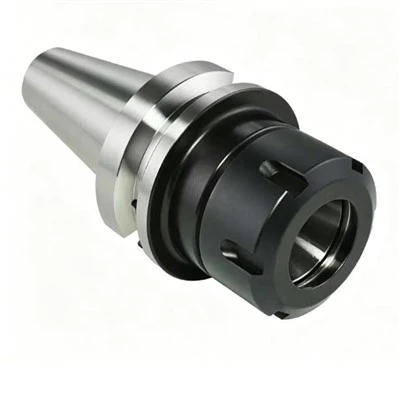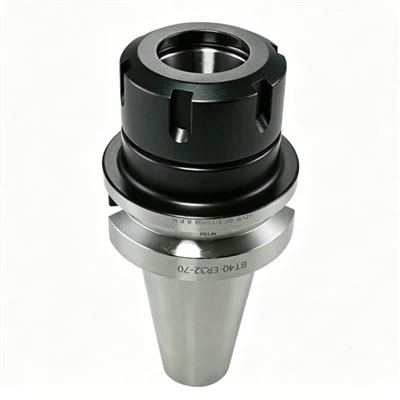
The technical essence of milling tools lies in their design. Modern milling tools feature sophisticated designs regarding cutting edge geometry, helix angles, number of teeth, and tip angles; these factors directly influence the magnitude of cutting forces, chip evacuation efficiency, and the surface finish of the machined part. Different types of tools are also designed for specific applications: for instance, end mills are suited for slotting and contouring operations, face mills are ideal for machining large flat surfaces, while ball-nose cutters are utilized for mold making and machining curved surfaces. Tool design also takes into account the interplay between the tool diameter, body length, and shank interface to enhance tool rigidity and vibration resistance, thereby ensuring the stability of the machining process.
The second key aspect of milling tool technology involves material selection and coating application. High-speed steel (HSS) tools are suitable for low-to-medium speed machining, offering excellent toughness and ease of resharpening; carbide tools possess high wear resistance and can withstand high-speed, heavy-load cutting conditions; meanwhile, ceramic and Cubic Boron Nitride (CBN) tools are best suited for the finish machining of high-hardness workpieces. Modern tools also widely incorporate coating technologies-such as TiN, TiAlN, and AlCrN-which can significantly enhance wear resistance and thermal stability, reduce cutting friction and machining temperatures, and consequently extend tool life while boosting machining efficiency.
The third dimension concerns machining and application techniques. The performance of milling tools depends not only on their inherent structure and materials but also on cutting parameters and machining processes. The judicious selection of cutting speed, feed rate, and cutting depth-tailored to the specific tool type and workpiece material-can effectively minimize cutting forces and vibrations, thereby ensuring machining precision. When paired with high-precision tool holders and dynamically balanced tools, CNC milling machines can achieve the efficient machining of complex curved surfaces, deep slots, and cavities.