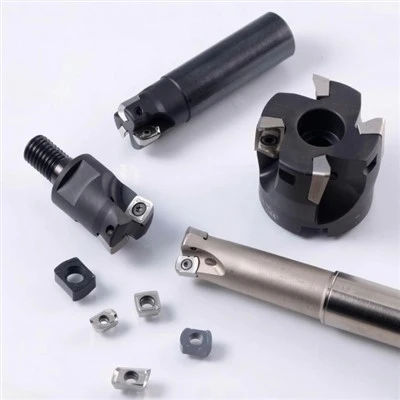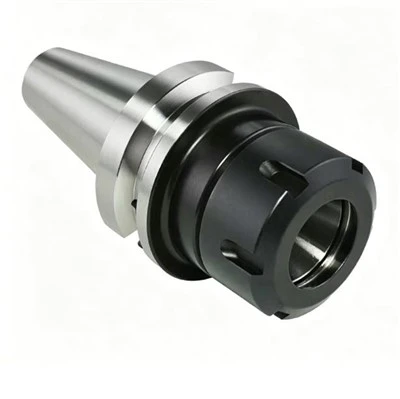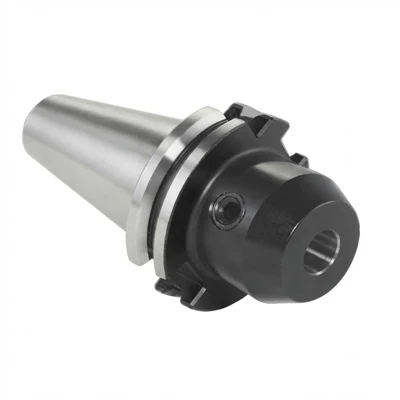

As a supplier of the Two Jaw Self - centering Chuck, I've seen firsthand how crucial it is to understand how this nifty piece of equipment deals with the thermal expansion of workpieces. Let's dig into the details, shall we?
First off, what's thermal expansion? Well, when a workpiece heats up, it expands. This can be due to various reasons, such as the heat generated during the machining process itself. Cutting, grinding – all these operations produce heat, and that heat causes the metal (or other material) of the workpiece to increase in size. If not properly managed, this expansion can lead to all sorts of problems, like inaccurate machining, poor surface finish, or even the workpiece getting damaged or coming loose from the chuck.
So, how does our Two Jaw Self - centering Chuck Two Jaw Self - centering Chuck handle this thermal expansion?
Design Features for Thermal Expansion Management
One of the key features of our two - jaw self - centering chuck is its flexible gripping mechanism. The jaws of the chuck are designed to move in a self - centering manner. This means that as the workpiece expands due to heat, the jaws can adjust to accommodate the increased size. Unlike some fixed - jaw chucks, our two - jaw chuck doesn't hold the workpiece in a rigid, unyielding grip. Instead, the self - centering action allows the jaws to move outwards slightly as the workpiece expands, maintaining a secure hold without over - constraining the workpiece.
The materials used in the construction of the chuck also play a vital role. We use high - quality metals with specific thermal properties. These materials are chosen not only for their strength and durability but also for their ability to handle temperature changes. The chuck body can withstand the heat generated during machining without deforming significantly. This is important because if the chuck itself were to deform due to heat, it would lose its ability to grip the workpiece accurately.
Another aspect is the surface finish of the chuck jaws. The jaws have a carefully engineered surface that provides a good grip on the workpiece while also allowing for some movement. The surface is smooth enough to prevent excessive friction, which could generate even more heat, but rough enough to hold the workpiece firmly. This balance is crucial in managing thermal expansion. When the workpiece expands, the jaws can slide a bit on the surface of the workpiece, reducing the stress on both the workpiece and the chuck.
Comparison with Other Chucks
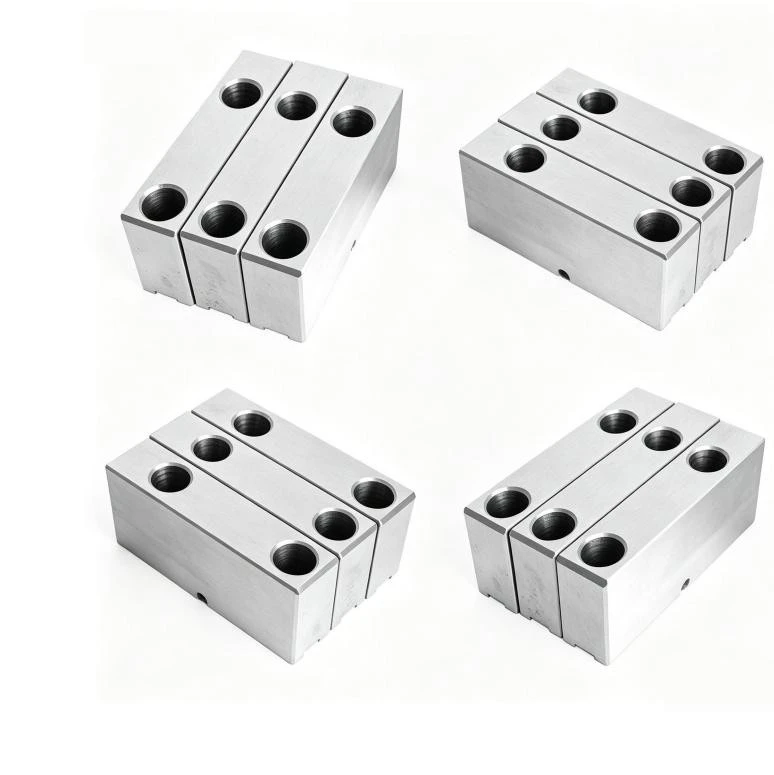
Let's compare our Two Jaw Self - centering Chuck with some other types of chucks in terms of handling thermal expansion. Take the 3 - Jaw Self - Centering Chuck Soft Jaws for example. While the 3 - jaw chuck is also self - centering, its design is more focused on quick and easy centering of round workpieces. In cases where thermal expansion is significant, the 3 - jaw chuck may not be as effective as our two - jaw chuck. The three jaws may not be able to adjust as smoothly to the uneven expansion that can occur in some workpieces. The two - jaw design gives more flexibility in accommodating different expansion patterns.
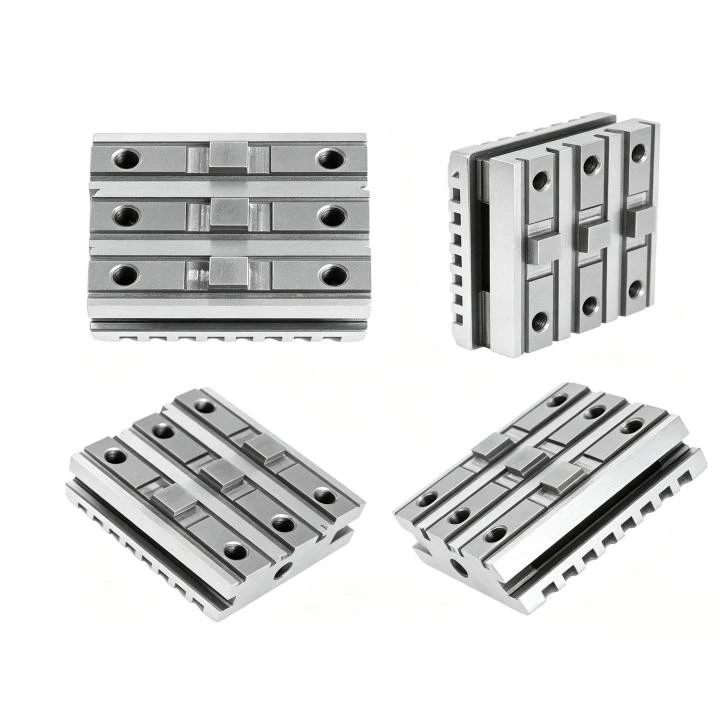
On the other hand, the Short Taper 4 - Jaw Independent Lathe Chuck is great for handling irregularly shaped workpieces. However, each of the four jaws is adjusted independently. This means that in the case of thermal expansion, the operator needs to manually adjust each jaw to accommodate the change in size. This is not only time - consuming but also prone to human error. Our two - jaw self - centering chuck, on the other hand, does the adjustment automatically, saving time and ensuring more accurate results.
Real - World Applications and Benefits
In real - world machining applications, the ability of our two - jaw self - centering chuck to handle thermal expansion is a game - changer. For instance, in aerospace manufacturing, where precision is of the utmost importance, workpieces are often subjected to high - intensity machining processes that generate a lot of heat. Our chuck can ensure that the workpiece remains securely held and centered throughout the process, even as it expands and contracts due to temperature changes. This results in higher - quality parts with better dimensional accuracy.
In the automotive industry, where large - scale production of engine components is common, our chuck can help improve production efficiency. Since it can handle thermal expansion without the need for frequent manual adjustments, it reduces downtime and increases the overall throughput of the machining process.
Case Studies
Let's look at a couple of case studies to illustrate the effectiveness of our Two Jaw Self - centering Chuck in dealing with thermal expansion.
Case Study 1: A machining shop was working on a batch of stainless - steel shafts. The machining process involved high - speed turning, which generated a significant amount of heat. Initially, they were using a traditional 3 - jaw chuck, and they were facing issues with the shafts becoming loose due to thermal expansion. After switching to our Two Jaw Self - centering Chuck, they noticed a dramatic improvement. The chuck was able to adjust to the expansion of the shafts, and the machining accuracy improved significantly. The shop was also able to increase the machining speed, as they no longer had to worry about the workpieces coming loose.
Case Study 2: An industrial manufacturer was producing custom - shaped aluminum parts. They were using a 4 - jaw independent chuck, but the manual adjustment required for each part due to thermal expansion was slowing down the production process. They decided to try our two - jaw self - centering chuck. Once installed, the chuck automatically adjusted to the thermal expansion of the parts, reducing the production time by almost 30%. The quality of the parts also improved, as the chuck maintained a more consistent grip throughout the machining process.
Conclusion and Call to Action
In conclusion, our Two Jaw Self - centering Chuck is a top - notch solution for handling the thermal expansion of workpieces. Its unique design, high - quality materials, and self - centering mechanism make it a reliable choice for a wide range of machining applications. Whether you're in the aerospace, automotive, or any other industry that requires precision machining, our chuck can help you achieve better results, increase efficiency, and reduce costs.
If you're interested in learning more about how our Two Jaw Self - centering Chuck can benefit your machining operations, or if you're ready to place an order, don't hesitate to reach out. We're here to answer your questions and help you find the best chuck for your specific needs.
References
- Machining Handbook, 4th Edition
- Journal of Manufacturing Technology and Management
- Automotive Manufacturing and Design Magazine