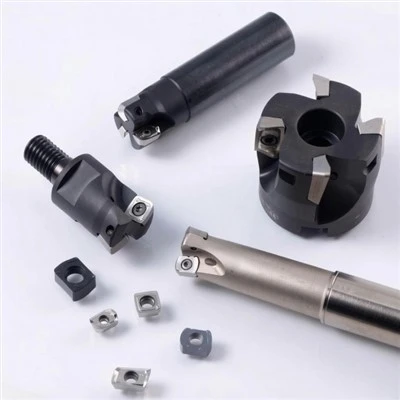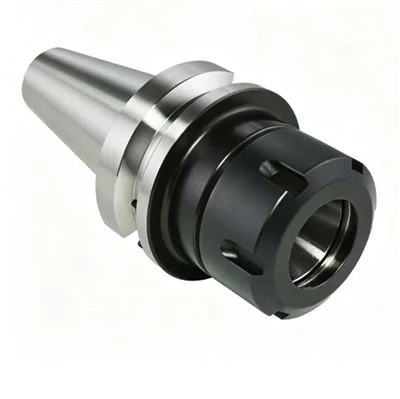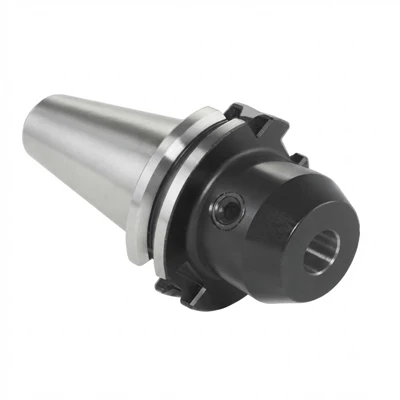

Troubleshooting problems with a Thread Turning Insert can be a real pain in the neck, but don't worry! As a Thread Turning Insert supplier, I've seen it all and am here to share some tips and tricks to help you get back on track.
1. Poor Surface Finish
One of the most common issues you might encounter is a poor surface finish on the threaded part. This can make the part look rough and might even affect its functionality.
Possible Causes
- Worn Insert: Over time, the cutting edge of the insert can wear down. When this happens, it won't be able to cut as smoothly, resulting in a rough surface.
- Incorrect Cutting Parameters: Using the wrong cutting speed, feed rate, or depth of cut can also lead to a poor surface finish. For example, if the feed rate is too high, the insert might not be able to remove the material cleanly.
- Chip Control Issues: If the chips aren't being evacuated properly, they can get in the way of the cutting process and cause a poor surface finish.
Solutions
- Check and Replace the Insert: Regularly inspect your inserts for wear. If you notice that the cutting edge is dull or chipped, it's time to replace it with a new one. You can find high - quality Thread Turning Insert in our product range.
- Adjust Cutting Parameters: Experiment with different cutting speeds, feed rates, and depths of cut to find the optimal settings for your specific application. You can start by referring to the manufacturer's recommendations and then make small adjustments as needed.
- Improve Chip Control: Make sure your coolant is working properly and that the chip breaker on the insert is suitable for the material you're cutting. Sometimes, changing the insert's geometry can also help with chip control.
2. Insert Breakage
Insert breakage is another headache that can slow down your production. It not only wastes time but also money, as you need to replace the broken insert.
Possible Causes
- Excessive Cutting Forces: If you're using too high of a cutting speed, feed rate, or depth of cut, it can put too much stress on the insert, causing it to break.
- Incorrect Insert Clamping: If the insert isn't clamped tightly enough in the tool holder, it can move during the cutting process and break.
- Hard Spots in the Material: Sometimes, the material you're cutting might have hard spots. When the insert hits these hard spots, it can cause breakage.
Solutions
- Reduce Cutting Forces: Lower the cutting speed, feed rate, or depth of cut to reduce the stress on the insert. This might slow down the cutting process a bit, but it will help prevent insert breakage.
- Check Insert Clamping: Make sure the insert is properly seated and clamped in the tool holder. You can use a torque wrench to ensure that the clamping force is correct.
- Pre - machine the Material: If you suspect that the material has hard spots, you can pre - machine the part to remove the hard layers before using the thread turning insert.
3. Incorrect Thread Profile
Getting the right thread profile is crucial for the proper functioning of the threaded part. If the thread profile is incorrect, the part might not fit properly with other components.
Possible Causes
- Wrong Insert Geometry: Using an insert with the wrong pitch, lead angle, or form can result in an incorrect thread profile.
- Insert Wear: As the insert wears, the thread profile it produces can change.
- Machine Tool Errors: Issues with the machine tool, such as incorrect spindle speed or lead screw accuracy, can also affect the thread profile.
Solutions
- Select the Correct Insert: Make sure you're using an insert with the right geometry for the thread you want to cut. You can refer to our CNC Turning Inserts catalog to find the appropriate insert.
- Replace Worn Inserts: Regularly check the insert for wear and replace it when necessary to ensure a consistent thread profile.
- Calibrate the Machine Tool: Have your machine tool checked and calibrated regularly to ensure accurate spindle speed and lead screw operation.
4. Chip Buildup
Chip buildup can cause a variety of problems, including poor surface finish, insert wear, and even insert breakage.
Possible Causes
- Low Cutting Speed: When the cutting speed is too low, the chips can stick to the insert instead of being removed cleanly.
- Inadequate Coolant: If the coolant isn't reaching the cutting zone properly or if it's not the right type, it can't effectively prevent chip buildup.
- Material Properties: Some materials are more prone to chip buildup than others. For example, materials with high ductility can form long, stringy chips that are more likely to stick to the insert.
Solutions
- Increase Cutting Speed: Raising the cutting speed can help break the chips and prevent them from sticking to the insert. However, make sure not to increase it too much, as this can cause other problems like insert breakage.
- Improve Coolant Delivery: Ensure that the coolant is being applied directly to the cutting zone at the right pressure and flow rate. You might also need to change the type of coolant if it's not working effectively.
- Use a Chip - Breaker Insert: Consider using an insert with a chip breaker to help control the chip shape and prevent buildup. We offer a wide range of Indexable Carbide Inserts with different chip - breaker designs.
5. Tool Life Issues
If your thread turning inserts aren't lasting as long as they should, it can increase your production costs.


Possible Causes
- Incorrect Cutting Conditions: Using the wrong cutting speed, feed rate, or depth of cut can significantly reduce tool life.
- Material Compatibility: The insert might not be suitable for the material you're cutting. Different materials require different insert grades and geometries.
- Lack of Maintenance: Not properly cleaning and storing the inserts can also affect their tool life.
Solutions
- Optimize Cutting Conditions: As mentioned earlier, find the optimal cutting parameters for your application. This might take some trial and error, but it will pay off in the long run.
- Choose the Right Insert Grade: Select an insert grade that is compatible with the material you're cutting. Our experts can help you choose the best Turning Inserts for your specific needs.
- Maintain the Inserts Properly: Clean the inserts after each use and store them in a dry, clean place. This will help prevent corrosion and damage.
Conclusion
Troubleshooting problems with a Thread Turning Insert can be challenging, but by understanding the common causes and solutions, you can keep your production running smoothly. If you're still having issues or need more advice on choosing the right inserts, don't hesitate to reach out. We're here to help you find the best solutions for your threading needs. Whether you need Indexable Milling Insert for other operations or just want to discuss your thread turning requirements, we're ready to have a chat. Contact us today to start a procurement discussion and take your machining to the next level!
References
- Machining Handbook, various editions
- Manufacturer's technical documentation for thread turning inserts