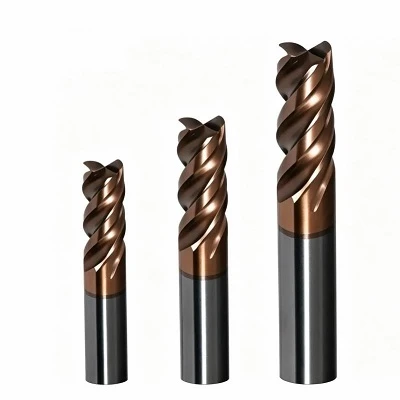
Shunwei Precision is highlighting its range of aluminum milling tools as manufacturers continue to seek reliable cutting solutions for CNC-machined aluminum components. Among the tools used in this field are three-flute aluminum end mills, which provide a practical balance between cutting edge engagement and chip space for a variety of milling operations.
Aluminum alloys are widely used in industries such as automotive manufacturing, electronics, general engineering, and aerospace-related component production. Their machinability makes them suitable for high-efficiency CNC processes, but successful results still depend on selecting an appropriate tool geometry and setting cutting conditions according to the alloy, machine, and workpiece.
Three-Flute Geometry in Aluminum Milling
The number of flutes influences the balance between available chip space and the number of cutting edges engaged during machining. A three-flute end mill can be a suitable option for aluminum milling when its geometry is matched to the application and chips can be evacuated effectively. The final choice should take account of the required material removal rate, tool engagement, machine rigidity, and surface-finish requirements.
Shunwei's pictured tool is marked with a 6 mm cutting diameter, an 18 mm flute length, a 50 mm overall length, and a three-flute design. It features a rainbow-colored surface appearance. These dimensions provide a reference for customers evaluating a tool for compact CNC milling operations; the exact coating composition and performance characteristics should be confirmed against the manufacturer's technical data.
Tool Selection Remains Important
Even when a cutter is intended for aluminum, machining performance is affected by several factors. Spindle speed and feed rate should be selected for the specific workpiece material and cutting conditions. Tool overhang, workholding, coolant or air-blast delivery, and chip removal can also influence process stability and the quality of the finished surface.
Coating claims should likewise be based on verified technical specifications rather than color alone. Before choosing a coated end mill, users should confirm the coating type, tool substrate, recommended materials, and operating guidance with the supplier.
Supporting Practical CNC Machining Needs
By providing milling tool options for different machining requirements, Shunwei Precision aims to help customers evaluate tooling according to part geometry, material, and production conditions. For manufacturers machining aluminum housings, brackets, and other precision components, choosing a suitable end mill is one part of building a stable and repeatable CNC process.
Customers interested in the three-flute aluminum end mill shown in this article can contact Shunwei Precision to confirm availability, technical specifications, coating information, and suitable machining recommendations.