As global manufacturing continues to move toward higher productivity, improved machining accuracy, and more flexible production, the demand for advanced CNC milling tools is steadily increasing. Among the solutions attracting attention in the metalworking industry, indexable milling cutters with replaceable carbide inserts have become an important choice for many machining applications.
The increasing use of indexable milling technology reflects a broader trend in the cutting tool industry: manufacturers are looking for tooling solutions that can balance machining efficiency, tool life, operational flexibility, and overall production costs.
Indexable Milling Technology Supports Modern Manufacturing
In modern CNC machining, milling cutters are required to perform efficiently under increasingly demanding production conditions. Manufacturers often need to remove material quickly while maintaining stable cutting performance and consistent workpiece quality.
Indexable milling cutters address these requirements through a cutter body equipped with replaceable cutting inserts. Instead of replacing the entire tool when the cutting edge becomes worn, operators can replace or rotate the carbide insert, allowing the cutter body to remain in service.
This design provides greater flexibility in production and can simplify tool management for manufacturers operating CNC machining centers.
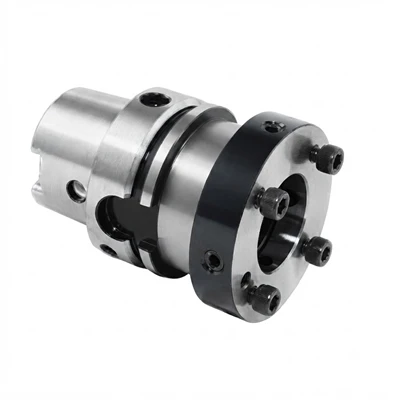
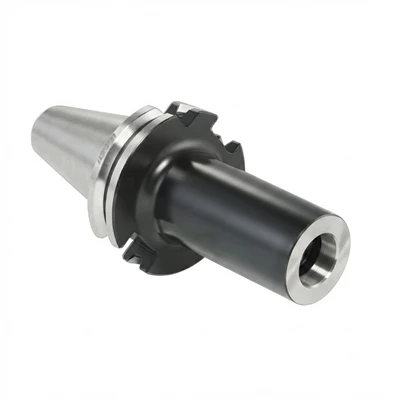
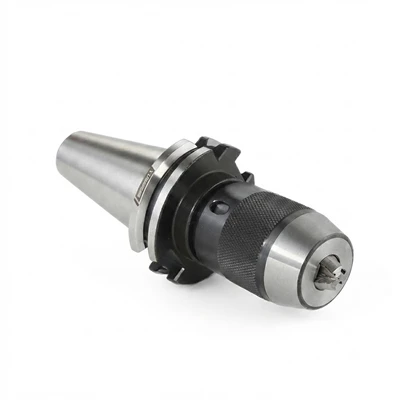
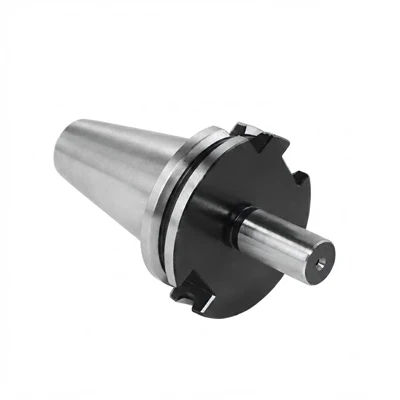
The image above shows several types of multi-insert milling cutters, demonstrating how different cutter body designs and insert configurations can be used to meet different machining requirements.
Replaceable Carbide Inserts Improve Tooling Flexibility
One of the major developments in modern milling technology is the wider application of replaceable carbide inserts.
Carbide inserts are available in different grades and geometries to accommodate various workpiece materials and cutting conditions. Depending on the application, manufacturers can select suitable insert grades for machining steel, stainless steel, cast iron, aluminum alloys, and other engineering materials.
When an insert reaches the end of its usable cutting life, it can be indexed or replaced without discarding the entire cutter body. This approach can help manufacturers improve tooling flexibility and reduce unnecessary tooling consumption.
For high-volume CNC machining operations, efficient insert management can also contribute to reduced machine downtime and improved production continuity.
Multi-Edge Milling Cutters for Efficient Material Removal
The multi-insert configuration seen in many modern milling cutters allows multiple cutting edges to participate in the machining process.
During operation, the cutter rotates at high speed while the inserts progressively engage with the workpiece. Each cutting edge removes a portion of the material, generating chips that are evacuated from the cutting zone.
The actual machining performance depends on several factors, including:
Cutter geometry
Insert geometry
Insert grade
Number of cutting edges
Cutting speed
Feed rate
Axial and radial depth of cut
Workpiece material
Machine tool rigidity
A properly selected indexable milling cutter can help manufacturers achieve a balance between material removal rate, cutting stability, tool life, and surface quality.
From Roughing to Finishing: Different Milling Solutions for Different Applications
The development of indexable milling technology has resulted in a wide range of cutter designs for different machining operations.
Depending on the tool configuration, indexable milling cutters can be used for:
Face milling
Shoulder milling
Slot milling
Rough milling
High-efficiency milling
General CNC milling
Surface machining
Component manufacturing
Different cutter geometries allow manufacturers to select the appropriate tooling solution according to the specific requirements of each machining process.
For example, roughing operations may prioritize high material removal rates and cutting stability, while finishing operations may focus more on dimensional accuracy and surface quality.
The Role of Cutting Tools in Automotive and Industrial Manufacturing
The growing demand for efficient milling tools is closely connected to the development of industries such as automotive manufacturing, aerospace, energy equipment, mold making, and general engineering.
Modern manufacturers are increasingly focused on reducing cycle times while maintaining consistent product quality. As a result, the performance of the cutting tool has become an important factor in overall machining efficiency.
In automotive and industrial component manufacturing, for example, CNC machining processes often involve large production volumes and repetitive operations. Reliable carbide insert milling cutters can provide a flexible solution for these production environments.
Cutting Tool Manufacturers Focus on Performance and Customization
As machining requirements become more specialized, the cutting tool industry is also moving toward more application-oriented solutions.
Rather than relying only on standard tooling, manufacturers are increasingly looking for cutting tools optimized for specific workpiece materials, machine conditions, production volumes, and machining strategies.
This trend is driving continued development in:
Indexable milling cutters
Carbide insert technology
High-feed milling tools
Face milling cutters
Shoulder milling cutters
Customized CNC cutting tools
High-performance milling solutions
For cutting tool manufacturers, understanding the actual machining challenges faced by customers is becoming increasingly important. Tool geometry, insert selection, cutting parameters, and application support all play a role in achieving reliable machining performance.
Looking Ahead: The Future of High-Efficiency Milling
As global manufacturing continues to evolve, the demand for efficient and flexible cutting tools is expected to remain strong. Indexable milling cutters and replaceable carbide insert systems are likely to continue playing an important role in CNC machining due to their flexibility and adaptability.
For manufacturers, the key challenge is not simply selecting a cutting tool, but choosing the right combination of cutter body, insert geometry, carbide grade, and cutting parameters for each application.
The continued development of advanced milling technology will help machining companies pursue higher productivity, improved process stability, and more efficient production.
As a professional cutting tool manufacturer, we will continue to focus on the development and supply of indexable milling cutters, carbide insert tools, and customized CNC cutting solutions, helping customers meet the changing requirements of modern metalworking and precision manufacturing.