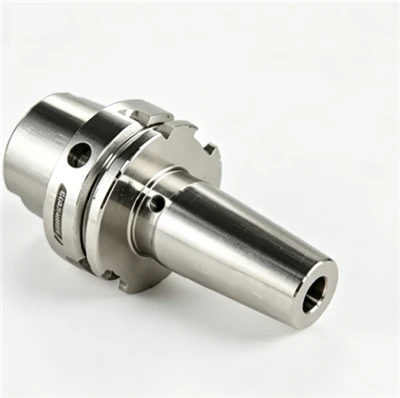

EPW0603TN High-Feed Milling Inserts are indexable carbide inserts for rough milling of steel components. Machining trials on 40CrMo tempered alloy steel covered four workpiece surfaces, with a recorded cutting time of 160 minutes under the tested conditions. Insert selection depends on workpiece hardness, stock allowance, cutter compatibility and machining parameters.
Key Advantages
High-Feed Stock Removal
Shallow axial engagement combined with higher feed per tooth supports efficient stock removal. The achievable removal rate depends on insert geometry, cutter diameter, workpiece material and machine rigidity.
Replaceable Cutting Edges
The indexable design allows the cutting insert to be replaced while retaining a compatible cutter body. Usable edge count and indexing positions depend on the confirmed insert geometry.
Machining Test Results
In rough milling tests on 40CrMo tempered alloy steel, EPW0603TN achieved a recorded cutting time of 160 minutes across four workpiece surfaces. Actual tool life depends on workpiece hardness, cutting conditions and machining setup.
Technical Specifications
|
Parameter |
Specification |
|
Model |
EPW0603TN |
|
Tool Type |
Indexable high-feed milling insert |
|
Cutting Material |
Cemented carbide |
|
Test Workpiece |
40CrMo tempered alloy steel |
|
Test Operation |
Rough milling |
|
Recorded Cutting Time |
160 min (Test result) |
|
Test Date |
July 10, 2026 |
|
Insert Size (IC) |
Approx. 6.0 mm (ISO size code 06) |
|
Insert Thickness |
Approx. 3.0 mm (ISO size code 03) |
|
Carbide Grade & Coating |
Configurable per application |
|
Cutting Speed (Vc) |
150–250 m/min |
|
Feed Per Tooth (fz) |
0.15–0.30 mm/tooth |
|
Max Axial Depth (ap) |
0.5–1.2 mm |
Workpiece Material and Grade Selection
Alloy Steel
For 40CrMo and similar alloy steels, assess hardness, heat treatment, stock allowance and interrupted cutting. Confirm the recommended grade for the actual material condition.
Carbon Steel
Select the grade according to cutting speed, edge loading, chip formation and the required machining output. Confirm material compatibility before applying production parameters.
Grade and Coating
Provide the workpiece material, hardness and machining conditions when requesting grade recommendations. Confirm available carbide substrates and coatings for the specified insert.
Applications
Mold Components
Suitable for rough milling of compatible steel mold components before finishing. Workpiece hardness, machining allowance and cutter access determine the appropriate cutting conditions.
Mechanical Parts
Applicable to rough milling of suitable alloy steel components, including machined surfaces and shoulders where the cutter geometry permits stable engagement.
Multi-Surface Roughing
Suitable for evaluating rough-milling operations across multiple workpiece surfaces. Cutter accessibility, toolpath transitions and changes in cutting engagement should be considered when selecting machining parameters.
Cutter Compatibility
Insert Pocket
Match the complete EPW0603TN designation and dimensional drawing to the cutter pocket. Similar model codes alone do not establish interchangeability.
Seating and Clamping
Verify locating surfaces, fixing-hole dimensions and the clamping arrangement. Correct seating helps maintain insert position under cutting loads.
Cutting Setup
Confirm cutter diameter, tooth count, spindle speed, feed rate, axial depth and radial engagement. Use approved cutting data as the starting point for machining trials.
Customization Options
Insert Geometry
Submit a drawing or sample for review of dimensional and geometric requirements. Custom configurations are subject to technical feasibility and specification approval.
Grade and Coating
State the workpiece material, hardness and intended cutting conditions to assess suitable grade and coating options.
Packaging and Identification
Specify packaging, labeling and repeat-order identification requirements before order confirmation. Confirm available options, minimum order quantity and lead time with the quotation.
Manufacturing and Quality Control
Dimensional Inspection
Verify critical dimensions against the approved drawing, including insert thickness and locating features. Request applicable inspection records when required.
Product Traceability
Keep the model designation, grade, coating and drawing revision consistent across technical documents and order records.
Batch Verification
Define dimensional tolerances, material requirements and acceptance criteria before repeat production. Inspection documentation should correspond to the confirmed specification.
Frequently Asked Questions
Q: What is EPW0603TN used for?
A: It is an indexable carbide insert for high-feed milling, with documented rough-milling data for 40CrMo tempered alloy steel.
Q: What tool life can be expected?
A: A documented test recorded 160 minutes of cutting time. Actual tool life depends on workpiece hardness, cutter setup and cutting conditions.
Q: How is cutter compatibility checked?
A: Provide the cutter model or insert-pocket drawing for dimensional and clamping verification.
Q: Are cutting parameters available?
A: Request the recommended cutting speed, feed per tooth, axial depth and radial engagement for the specified material and cutter configuration.
Q: Can the insert be customized?
A: Customization can be assessed against a drawing, sample or defined application requirements. Confirm feasibility, available configurations and lead time before ordering.
Hot Tags: epw0603tn high-feed milling inserts, China epw0603tn high-feed milling inserts manufacturers, suppliers, factory, carbide end mill for hardened materials, carbide end mill for stainless steel, Drilling and Boring Tools, Endmills For Hardened Steel, indexable shoulder mill, Micro End Mills for Precision Machining