
High Feed Milling Cutters Manufacturer
High feed milling cutters are designed for high-feed machining with shallow axial engagement. Selecting the right tool depends on workpiece material, hardness, cutter geometry, tool dimensions, and machine conditions.
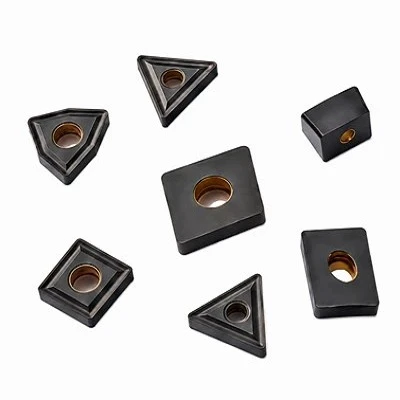
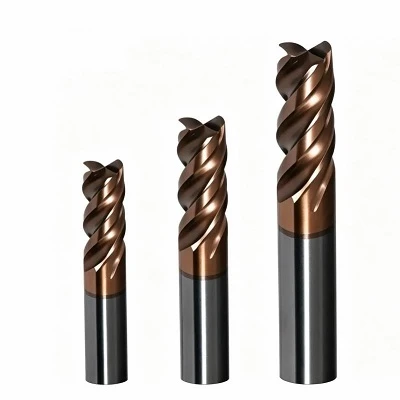
Our range includes FH200-H solid carbide high feed end mills for hardened steel and EPW0603TN indexable carbide inserts for compatible milling applications. Standard models and customized tooling can be reviewed against technical drawings, machining requirements, and application data.
-
![Indexable High-Feed Milling Cutters For Roughing]() Indexable High-Feed Milling Cutters For RoughingIndexable high-feed milling cutters are engineered for rapid metal removal during roughing operations in mold making, die manufacturing, and structural component production. The specialized...
-
![High-Feed Milling Cutters For Mold Roughing]() High-Feed Milling Cutters For Mold RoughingHigh-Feed Milling Cutters for Mold Roughing are indexable cutting tools engineered for rapid stock removal in mold and die manufacturing. Their low lead-angle geometry shifts cutting forces toward...
-
![High-Feed Inserts For 40CrMo Alloy Steel]() High-Feed Inserts For 40CrMo Alloy SteelHigh-Feed Inserts for 40CrMo Alloy Steel are indexable carbide milling inserts engineered for high-feed roughing and controlled stock removal. Built for integration with compatible high-feed...
-
![EPW0603TN High-Feed Milling Inserts]() EPW0603TN High-Feed Milling InsertsEPW0603TN High-Feed Milling Inserts are indexable carbide inserts for rough milling of steel components. Machining trials on 40CrMo tempered alloy steel covered four workpiece surfaces, with a...
-
![High-Feed Milling Cutters For Automotive Cylinder Heads]() High-Feed Milling Cutters For Automotive Cylinder HeadsHigh-Feed Milling Cutters for Automotive Cylinder Heads support high-feed rough milling of suitable cylinder head surfaces, steps and recessed areas. A small approach angle and shallow axial...
-
![High-Feed Milling Cutters For Automotive Engine Blocks]() High-Feed Milling Cutters For Automotive Engine BlocksHigh-Feed Milling Cutters for Automotive Engine Blocks support high-feed rough machining of suitable engine block surfaces, steps and recessed areas. The cutting geometry combines a low lead angle...


Why Choose Us
Application-Based Selection
Product selection considers material, hardness, dimensions, and machining conditions to establish a clear basis for technical review.
Standard and Custom Options
Standard models and drawing-based tooling requirements can be reviewed according to the intended machining operation.
Specification Management
Confirmed model numbers, dimensions, grades, and quantities provide a consistent reference for quotations and repeat orders.
Practical Evaluation
Machining trials can be assessed using recorded conditions and defined results to support tool selection for the intended application.
High Feed Milling Cutter Range
Solid Carbide End Mills
The FH200-H series is designed for high-feed rough machining of hardened steel. Selection depends on cutting diameter, corner radius, cutting length, tool reach, and workpiece hardness.
Indexable Milling Inserts
EPW0603TN is an indexable carbide insert identified in high-feed milling application materials. Confirm the insert dimensions, grade, and compatible cutter body before ordering.
Product Configuration
Solid carbide and indexable tools serve different tooling requirements. Consider the machining operation, tool dimensions, replacement method, and production setup when choosing a configuration.
High Feed Milling Inserts & Compatible Cutter Bodies

Insert Geometry
Insert geometry and edge preparation should match the workpiece material and intended cutting conditions. The insert designation helps establish the required configuration.

Cutter Body Compatibility
An insert must match the cutter body's insert seat, locating features, and clamping arrangement. Verify compatibility against the applicable model reference or technical drawing.

Dimensional Requirements
For solid carbide tools, confirm cutting diameter, corner radius, cutting length, overall length, and shank diameter. For indexable systems, provide both the insert designation and cutter-body model.
High Feed Milling Applications
Hardened Steel Roughing
FH200-H end mills are intended for high-feed rough machining of hardened steel within the specified application range. Workpiece hardness, stock allowance, tool reach, and machine rigidity guide selection.
Mold Component Machining
High-feed milling can be considered for roughing suitable hardened mold components. Cavity access, tool overhang, machining allowance, and remaining stock for finishing should be reviewed before selecting the tool.
Production Milling
Indexable high-feed tooling can be evaluated for compatible production operations. The insert, cutter body, workpiece condition, and cutting parameters should be assessed together for the intended application.
Workpiece Materials & Cutting Conditions
Material Compatibility
FH200-H high feed end mills are designed for hardened steel. Confirm suitability for the selected model, workpiece grade, and hardness.
Cutting Parameters
Adjust cutting speed, feed per tooth, axial depth, and radial engagement to the tool model and workpiece conditions. Evaluate tool wear, chip formation, and machining stability during trials.
Machine and Setup Requirements
Machine rigidity, spindle condition, workholding, toolholder condition, and tool overhang affect cutting stability. Verify parameters under actual machining conditions.
Technical Specifications
|
Parameter |
Reference Value |
|
Tool model |
FH200-R6-08005-H |
|
Workpiece material |
SKD11 |
|
Workpiece hardness |
58–62 HRC |
|
Cutting speed, Vc |
60 m/min |
|
Feed per tooth, fz |
0.14 mm/tooth |
|
Axial depth of cut, ap |
0.1 mm |
|
Radial engagement, ae |
6 mm |
|
Cooling method |
Air cooling |
|
Cutting method |
Side milling |
How to Select a High Feed Milling Cutter
Define the Workpiece
Provide the material grade, hardness, heat-treatment condition, and machining allowance. These details establish the main application requirements.
Confirm Tool Dimensions
Specify cutting diameter, tool reach, corner radius, shank dimensions, and available clearance. For indexable tools, include the insert and cutter-body models.
Review Machine Conditions
Provide the machine type, spindle interface, toolholder configuration, workholding method, and tool overhang to support a practical setup review.
Identify the Operation
State whether the tool is intended for side milling, cavity roughing, or another defined operation. Include stock removal requirements and finishing allowance.

Tool Geometry and Grinding
Solid carbide tool geometry is defined by the selected model or approved drawing. Critical dimensions and cutting features should follow the confirmed product specification.
Carbide and Coating Options
Carbide grade and coating selection depend on the workpiece material and cutting conditions. Confirm available options for the selected model during technical review.
Customized Tooling
Customized requirements can be reviewed using drawings, sample references, target dimensions, and application details. Confirm the proposed configuration and manufacturing scope before production.
OEM & ODM High Feed Milling Solutions
Drawing-Based Development
Provide a dimensioned drawing, required geometry, workpiece material, and intended operation. These inputs help establish the proposed tooling configuration.
Insert and Grade Requirements
For indexable tooling, specify the insert model, grade requirements, and cutter-body reference. The proposed combination can then be reviewed for the intended application.
Sample and Production Planning
Define sample quantities, evaluation criteria, required documentation, and production quantities. Confirmed specifications provide the basis for production planning.
Machining Applications & Performance Evaluation
Record Trial Conditions
Document the tool model, workpiece material and hardness, machine setup, cutting speed, feed per tooth, axial depth, radial engagement, and cooling method.
Assess Cutting Results
Review chip formation, cutting-edge wear, vibration, surface condition, and machining time against defined criteria. Record results under consistent conditions.
Validate Production Use
Evaluate the selected tool on the intended machine and workpiece before establishing production parameters. Changes in hardness, engagement, or tool reach may require revised cutting conditions.
Quotation Information
Provide the model number, quantity, workpiece material, hardness, machining operation, and required dimensions. Drawings and existing tool references help clarify the requested configuration.
Packaging Requirements
Confirm pack quantity, product identification, labeling, and special packaging instructions during order review. Packaging arrangements should follow the confirmed order requirements.
Export Coordination
Confirm the production schedule, shipping method, destination, and required export documents before dispatch. Specify any special shipping marks during order preparation.
FAQ

Get a Customized Milling Solution
Submit the required model, quantity, workpiece material, and machining details for specification review. For replacement or customized tooling, include the insert or cutter-body reference and relevant drawing.
With abundant experience, we are one of the most reliable high feed milling cutters manufacturers and suppliers in China. We warmly welcome you to buy durable high feed milling cutters at competitive price from our factory. If you have any enquiry about cooperation, please feel free to email us.
Drilling and Boring Tools, micro end mills, Solid Carbide DrillPopular Products