
Hey there! I'm a supplier of two jaw self - centering chucks, and I know how tricky it can be to pick the right one for your specific needs. In this blog, I'll share some tips and insights to help you make an informed decision.
Understanding Your Requirements
First off, you need to have a clear idea of what you're going to use the chuck for. Are you working on small, precision parts or larger, more robust pieces? The size and type of workpieces will play a huge role in your choice.
For example, if you're dealing with small - diameter rods or tubes in a precision machining job, you'll want a chuck with a high level of accuracy and fine adjustment capabilities. On the other hand, if you're handling larger, heavier workpieces like big shafts or large - diameter pipes, you'll need a chuck that can provide enough clamping force to hold them securely.
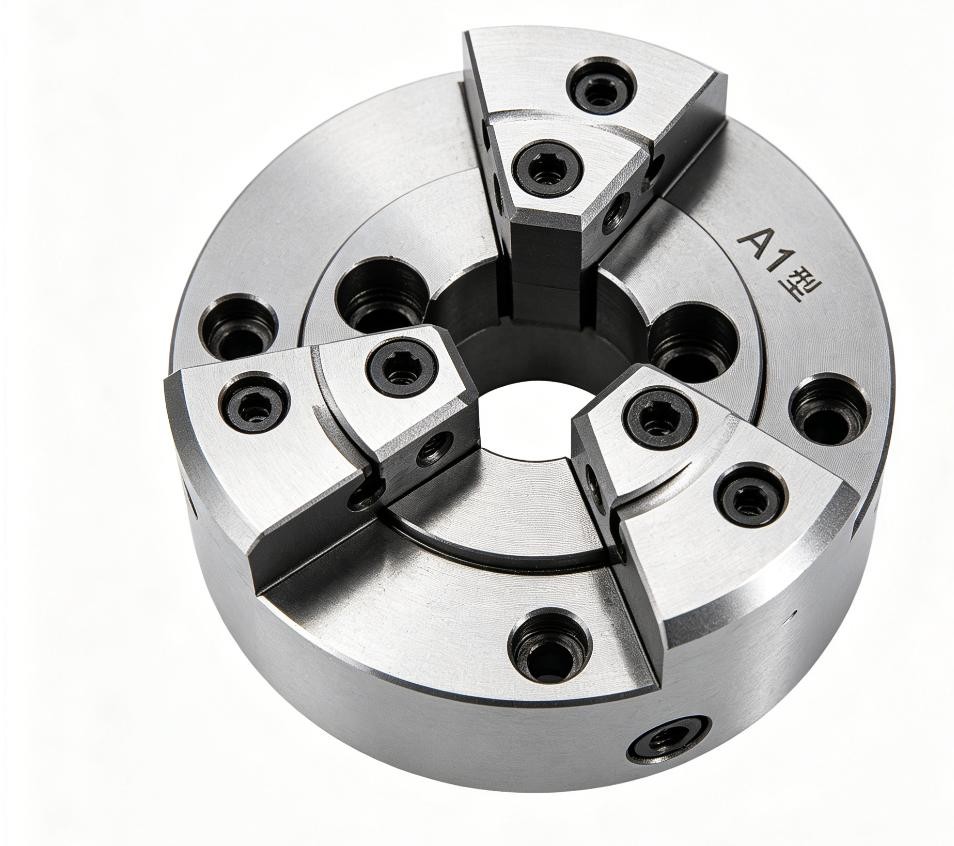
Chuck Size Matters
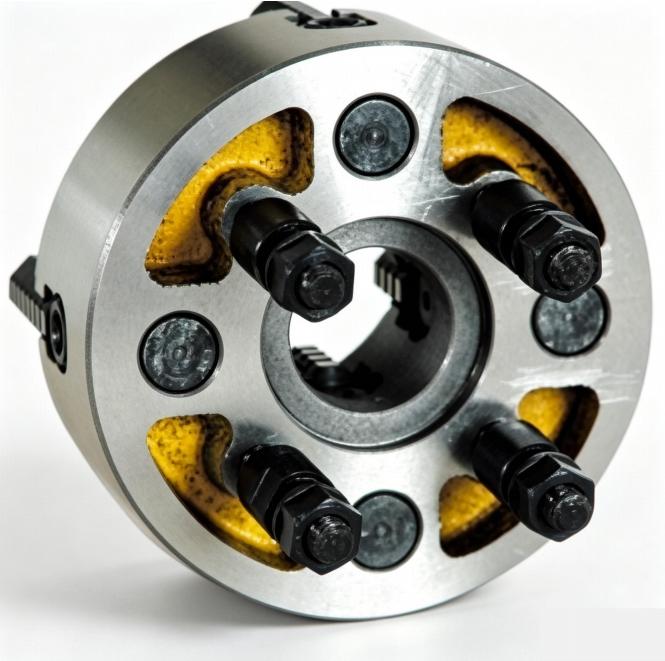
The size of the two jaw self - centering chuck is another crucial factor. You've got to match the chuck size with the size of your workpieces. A chuck that's too small won't be able to grip the workpiece properly, while one that's too large can be cumbersome and may not provide the necessary precision.
To determine the right size, measure the maximum and minimum diameters of the workpieces you'll be working with. Most chucks are rated by their maximum and minimum gripping capacities. So, make sure the chuck you choose can accommodate the full range of your workpiece sizes.
Clamping Force
Clamping force is essential for keeping your workpiece in place during machining. If the clamping force is too low, the workpiece may move or vibrate, which can lead to poor - quality machining and even damage to the workpiece or the machine.
The clamping force of a chuck depends on several factors, including its design, the material it's made of, and the type of actuation mechanism. Hydraulic - actuated chucks generally offer higher clamping forces compared to manual or pneumatic ones. But they also come with a higher price tag and more complex installation requirements.
If you're doing light - duty work, a manual chuck with a moderate clamping force might be sufficient. But for heavy - duty machining, you'll probably need a hydraulic or high - force pneumatic chuck.
Accuracy and Repeatability
In precision machining, accuracy and repeatability are key. You want a chuck that can hold the workpiece precisely in the same position every time you use it.
Look for chucks that are made with high - quality materials and have a well - designed jaw system. Some chucks come with features like hardened jaws and precision - ground mating surfaces, which can significantly improve accuracy and repeatability.
Also, consider the chuck's centering accuracy. A good two jaw self - centering chuck should be able to center the workpiece within a very small tolerance, usually in the range of a few thousandths of an inch.
Jaw Design
The design of the jaws is another important aspect. There are different types of jaws available, such as hard jaws, soft jaws, and serrated jaws.
Hard jaws are made of hardened steel and are suitable for general - purpose clamping. They can withstand high clamping forces and are durable. Soft jaws, on the other hand, are made of a softer material like aluminum or brass. They can be machined to fit the specific shape of the workpiece, providing a better grip and reducing the risk of damage to the workpiece surface. You can check out 3 - Jaw Self - Centering Chuck Soft Jaws for more information on soft jaws.
Serrated jaws have a serrated surface that provides extra grip, especially for round or cylindrical workpieces. They're great for applications where you need a strong hold.
Compatibility with Your Machine
Your two jaw self - centering chuck needs to be compatible with your lathe or other machining equipment. Check the chuck's mounting system and make sure it matches the spindle nose of your machine.
There are different types of mounting systems, such as short taper, long taper, and flange mount. For example, if you're looking for a short - taper option, you might be interested in Short Taper 4 - Jaw Independent Lathe Chuck or Short Taper Three - Jaw Self - Centering Chuck.
Maintenance and Durability
A good chuck should be easy to maintain and durable. Look for chucks that are made of high - quality materials and have a corrosion - resistant finish. This will ensure that the chuck lasts a long time and performs well over its lifespan.
Regular maintenance, such as cleaning, lubrication, and inspection, is also important. Make sure you follow the manufacturer's maintenance instructions to keep your chuck in top condition.
Cost Considerations
Of course, cost is always a factor when making a purchase. You need to balance the features and quality of the chuck with your budget.
While it might be tempting to go for the cheapest option, remember that a low - quality chuck can cost you more in the long run due to poor performance, frequent breakdowns, and the need for replacements. On the other hand, you don't necessarily need to buy the most expensive chuck on the market. Just focus on getting the best value for your money.
Making the Decision
Once you've considered all these factors, it's time to make a decision. Take your time to research different brands and models, read customer reviews, and compare prices. You can also reach out to other machinists or industry experts for their advice.
If you're still not sure which chuck is right for you, don't hesitate to contact me. As a supplier of two jaw self - centering chucks, I have the knowledge and experience to help you find the perfect chuck for your needs. Whether you're a small - scale hobbyist or a large - scale manufacturing company, I can offer you the best solutions at competitive prices. Just drop me a line, and we can start discussing your requirements and how I can assist you in your procurement process.
References
- Machining Handbook by Industrial Press Inc.
- Lathe Chuck Technology Guide from leading chuck manufacturers
I hope this blog has given you a better understanding of how to choose the right two jaw self - centering chuck for your needs. If you have any further questions or need more information, feel free to get in touch. Looking forward to helping you find the ideal chuck!