Milling cutter regrinding is an effective way to restore worn cutting tools, extend tool life, and reduce overall tooling costs. For manufacturers using CNC milling machines, regularly inspecting and regrinding worn cutters can help maintain machining accuracy and production efficiency.
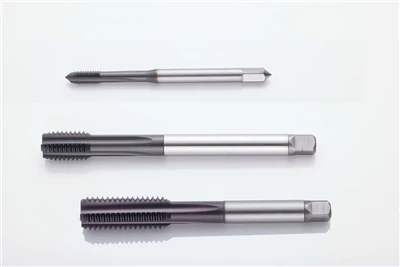
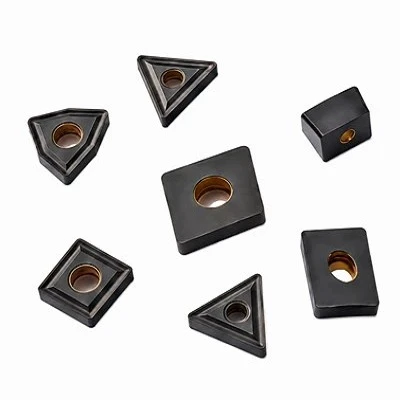
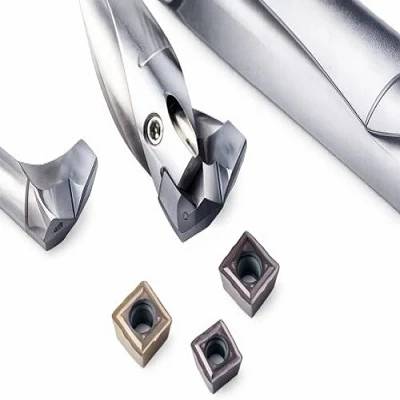
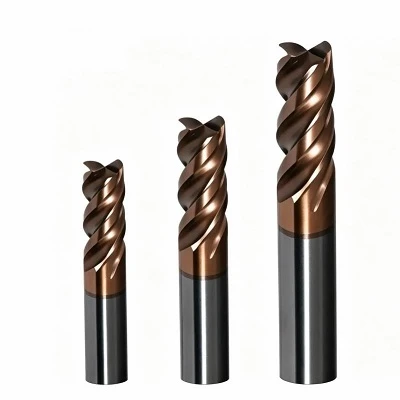
The image shows a batch of milling cutters prepared for professional regrinding and tool maintenance. Through precision grinding, worn cutting edges can be restored to improve the cutting performance of the tools and extend their usable service life.
Why Is Milling Cutter Regrinding Important?
During continuous CNC machining, milling cutters are exposed to cutting forces, friction, heat, and material wear. Over time, the cutting edges can become dull, chipped, or worn. A worn cutter may increase cutting resistance, generate excessive heat, affect surface finish, and reduce dimensional accuracy.
Professional milling cutter regrinding can remove the worn portion of the cutting edge and restore the required cutting geometry. For suitable tools, regrinding can be a practical alternative to immediately purchasing new cutters. Industry guidance also emphasizes that the original cutting geometry, relief angles, flute geometry, and tool dimensions need to be properly maintained during regrinding.
End Mill Regrinding for CNC Machining
End mill regrinding is widely used for solid carbide end mills, HSS end mills, roughing end mills, ball nose end mills, and other rotary cutting tools.
For an end mill, professional grinding may involve restoring:
Cutting edges
End cutting geometry
Peripheral cutting edges
Primary and secondary relief angles
Flute geometry
Tool diameter
Corner radius or ball nose profile
Center cutting geometry
The objective is not simply to make the cutter sharp again. The complete cutting geometry must be controlled so that the reground tool can continue to perform properly in the intended machining application.
For example, when regrinding a carbide end mill, excessive material removal can reduce the tool diameter and change the original geometry. Therefore, precision control during the CNC tool grinding process is essential.
Benefits of Carbide Tool Regrinding
For high-value carbide cutting tools, carbide tool regrinding can provide several important advantages.
1. Extend Tool Life
Regrinding removes worn cutting edges and restores usable cutting geometry, allowing suitable tools to return to production instead of being discarded immediately.
2. Reduce Tooling Costs
Carbide cutting tools can represent a significant part of machining costs. Reconditioning suitable tools can reduce the cost per cutting cycle and improve the overall return on investment.
3. Maintain Machining Accuracy
A professional end mill sharpening process focuses on maintaining the correct geometry and dimensional accuracy. This is especially important for precision CNC machining, mold machining, automotive components, and other applications where consistent tolerances are required.
4. Reduce Production Downtime
A planned tool regrinding program allows manufacturers to manage tool inventory more efficiently and reduce unexpected tool failures during production.
5. Reduce Material Waste
Regrinding and reconditioning usable carbide tools can also reduce the amount of carbide and HSS tooling sent for scrap, supporting a more sustainable approach to cutting tool management.
When Should a Milling Cutter Be Reground?
It is generally better to evaluate a cutter before severe damage occurs. Typical signs that a milling cutter may require regrinding include:
Cutting edges become visibly dull
Cutting forces increase
Spindle load increases
Surface finish becomes worse
Burrs increase after machining
Dimensional accuracy begins to change
Chatter or vibration appears
Cutting temperature increases
Tool wear becomes obvious after a defined production cycle
A planned CNC tool regrinding schedule can help manufacturers determine when a tool should be reground and when replacement is more economical.
Precision Grinding Is the Key to Successful Reconditioning
The quality of the grinding process directly affects the performance of the reground milling cutter.
For carbide tools, appropriate grinding wheels, accurate grinding parameters, stable equipment, and experienced technicians are important. Excessive grinding heat, incorrect relief angles, uneven cutting edges, or excessive material removal can negatively affect tool performance.
For high-performance milling cutters, the regrinding process may also be followed by tool recoating. Recoating can restore wear resistance on suitable tools after the original coating has been removed or affected during grinding.
Milling Cutter Regrinding for Different Applications
Professional tool regrinding can be applied to many types of cutting tools used in modern manufacturing, including:
Solid carbide end mills
Carbide milling cutters
HSS end mills
Ball nose end mills
Roughing end mills
Chamfer mills
Slotting cutters
Form cutters
Special profile milling cutters
CNC cutting tools
Different tools require different grinding strategies. A standard end mill, for example, should not necessarily be reground using the same process as a ball nose end mill or a special-form cutter.
Improve Tool Management with Professional Regrinding
For CNC machining companies, milling cutter regrinding should be considered part of the complete tool lifecycle rather than simply a sharpening operation.
A professional regrinding process can help restore cutting edges, maintain tool geometry, extend tool usability, reduce tooling expenses, and improve production efficiency. However, not every worn cutter should automatically be reground. Tool material, wear condition, remaining cutting length, geometry, diameter tolerance, coating, and machining requirements should all be evaluated before reconditioning.
With proper inspection and precision CNC tool grinding, suitable milling cutters can be returned to service and continue to support stable machining operations.